%2Ffit-in%2F250x250%2Fguide_websites%2F59167%2Fimages%2F1767416667104image20.png&w=1920&q=100)
/users/38547180-20f6-4598-b3e2-09f0700e8ff2/ratecard/image15-mjxt3dzi.png)
%2F300x300%2Fusers%2F38547180-20f6-4598-b3e2-09f0700e8ff2%2Fratecard%2Fimage15-mjxt3dzi.png&w=256&q=75)
%2F300x300%2Fusers%2F38547180-20f6-4598-b3e2-09f0700e8ff2%2Fimages%2Ffishing-getaway-homer-alaska-2617.jpg&w=256&q=75)
%2F300x300%2Fusers%2F38547180-20f6-4598-b3e2-09f0700e8ff2%2Fimages%2Fsuccessful-fishing-homer-2830.jpg&w=256&q=75)
%2F300x300%2Fusers%2F38547180-20f6-4598-b3e2-09f0700e8ff2%2Fimages%2Falaskan-halibut-catch-3106.jpg&w=256&q=75)
%2F300x300%2Fusers%2F38547180-20f6-4598-b3e2-09f0700e8ff2%2Fimages%2Fpacific-halibut-homer-fishing-3149.jpg&w=256&q=75)
%2F300x300%2Fusers%2F38547180-20f6-4598-b3e2-09f0700e8ff2%2Fimages%2Fbest-day-fishing-homer-2216.png&w=256&q=75)
%2F300x300%2Fusers%2F38547180-20f6-4598-b3e2-09f0700e8ff2%2Fimages%2Ffishing-homer-2427.png&w=256&q=75)
%2F300x300%2Fusers%2F38547180-20f6-4598-b3e2-09f0700e8ff2%2Fimages%2Falaskan-fishing-adventure-2497.png&w=256&q=75)
%2F300x300%2Fusers%2F38547180-20f6-4598-b3e2-09f0700e8ff2%2Fimages%2Falaskan-fishing-adventure-2318.png&w=256&q=75)
%2F300x300%2Fusers%2F38547180-20f6-4598-b3e2-09f0700e8ff2%2Fimages%2Fbest-great-fishing-expedition-alaska-2254.png&w=256&q=75)
%2F300x300%2Fusers%2F38547180-20f6-4598-b3e2-09f0700e8ff2%2Fimages%2Falaskan-fishing-expedition-2231.png&w=256&q=75)
Tuesday Wednesday Charter Homer Sweet Action
 Alaska
What you will be catching:
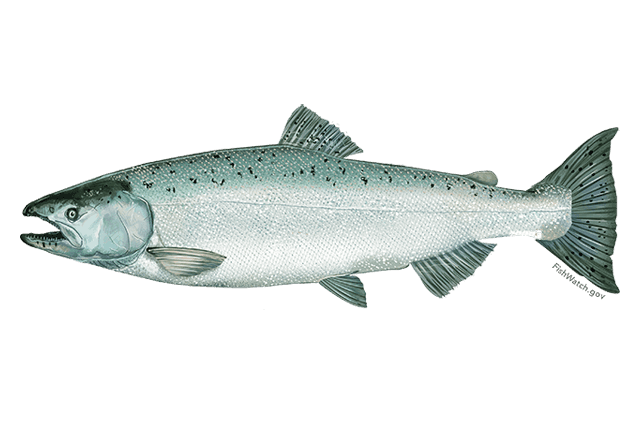
 Chinook Salmon
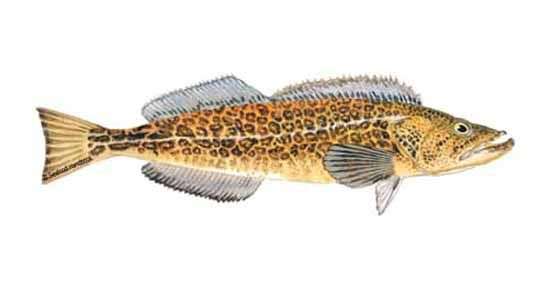
 Lingcod
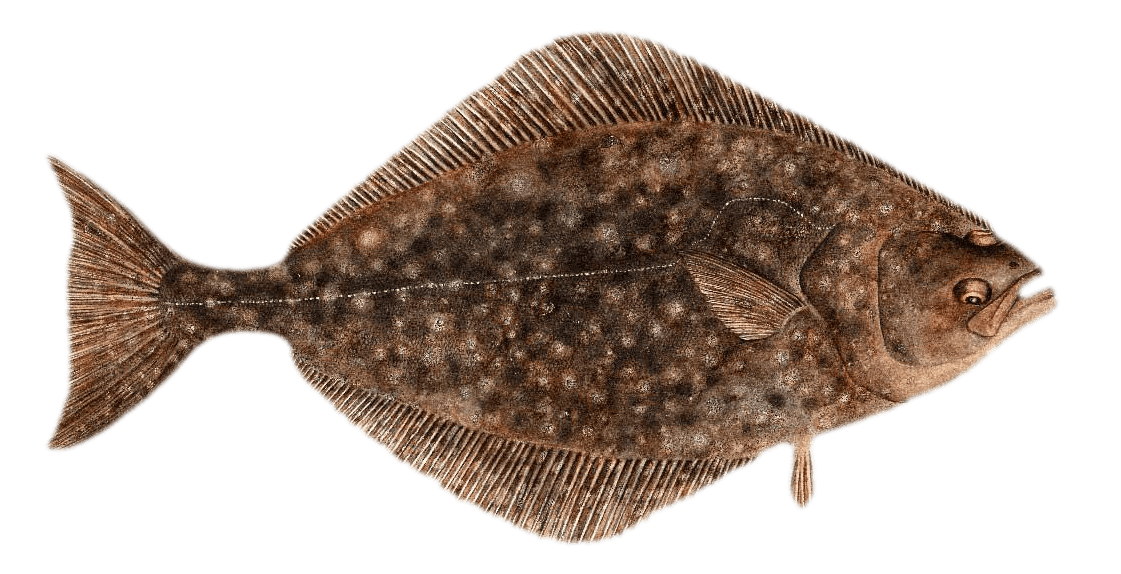
 Pacific Halibut
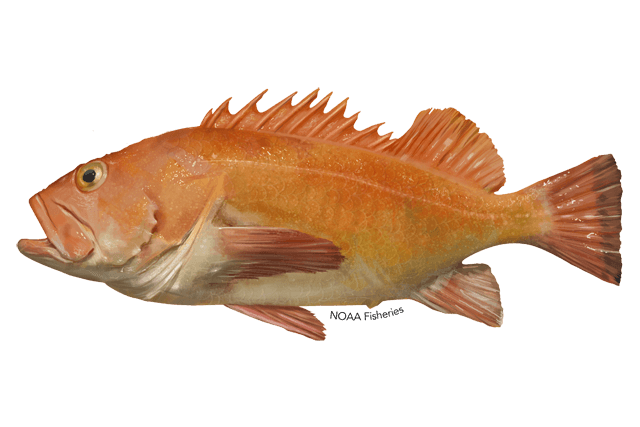
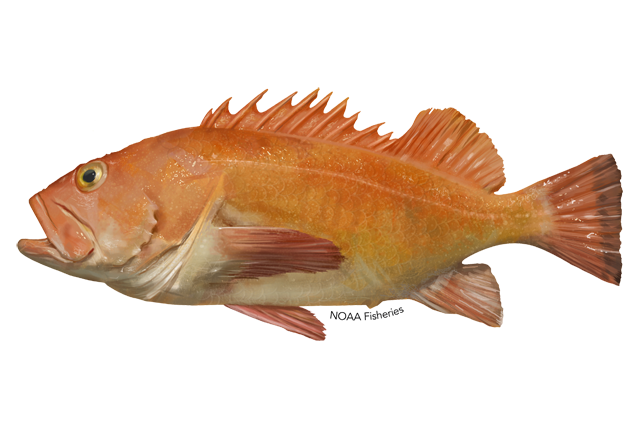 Yelloweye Rockfish
- Weekday 6-hour charters targeting rockfish, salmon, and lingcod Tuesday-Wednesday
- Small groups of 6 maximum with complete tackle and personalized guidance included
- Multiple fishing techniques employed across Homer's productive grounds avoiding crowds
Trip Pricing and Availabilities:
Tuesday Wednesday Fishing Charter Homer
Homer's weekday fishing scene just got a whole lot better with Sweet Action Charter's Tuesday Wednesday special. This isn't your typical halibut hunt – we're talking pure multispecies action that takes full advantage of quieter weekdays when the locals fish and the crowds thin out. Six hours on the water targeting everything from feisty rockfish to chrome-bright salmon, with lingcod thrown into the mix once July rolls around. It's the kind of trip that reminds you why Homer earned its reputation as Alaska's halibut fishing capital, even when we're chasing everything else swimming around Kachemak Bay.
What to Expect on the Water
This charter runs exclusively on Tuesdays and Wednesdays from June through mid-September, when the fishing pressure drops and the bite often picks up. You're looking at a solid six-hour day with up to six anglers max, which means plenty of elbow room and personalized attention from your captain. The trip focuses on variety over trophy hunting – think mixed bags that keep your rod bent and the action steady. Homer's unique position gives us access to both shallow rocky structure where the rockfish hang out and deeper channels where salmon cruise through on their way to spawning grounds. The beauty of this trip is never knowing exactly what's going to hit your line next, whether you're working the bottom or trolling through the current.
Techniques & Tackle
We mix it up with two proven approaches that work consistently in these waters. Bottom fishing puts you right in the rockfish zone, dropping heavy jigs and bait rigs down to where yelloweye and other species hold tight to structure. Your captain will position the boat over productive spots and walk you through reading your rod tip for bites – these fish don't always slam your bait, so learning the subtle taps and weight changes makes all the difference. Trolling keeps you moving and covers water, especially effective for salmon that might be scattered or following bait schools. All rods, reels, and tackle come included, along with step-by-step coaching whether you're a first-timer or just want to dial in your technique for Alaska's unique fishing conditions. The crew handles rigging, bait, and net work so you can focus on fighting fish.
Species You'll Want to Hook
Lingcod become the star attraction once July 1st opens the season, and these prehistoric-looking predators are pure adrenaline when they're feeding. They lurk around rocky bottoms and kelp beds, ambushing anything that moves with their massive mouths full of needle-sharp teeth. Homer's lingcod typically run 15-30 pounds, with bigger fish always possible. They fight dirty, using their broad tails and stubborn nature to test your drag system. What makes them special here is the structure they live around – Kachemak Bay's rocky reefs create perfect lingcod habitat that's accessible on shorter trips.
Yelloweye rockfish are the deep-water prize that keeps bottom fishermen coming back. These bright red beauties live 30-50 years and can reach impressive sizes, with fish over 10 pounds not uncommon in Homer waters. They school around rocky pinnacles and drop-offs, often stacked up in good numbers once you find the right depth and structure. Yelloweye fight with surprising power for their size, and their firm white meat makes them a favorite for the dinner table. Peak season runs through summer when they're most active and feeding heavily.
Chinook salmon pass through Homer waters during their spawning runs, offering shots at Alaska's premier game fish. These kings average 15-25 pounds locally, with bigger fish always in the mix during peak runs in June and July. They're built for power and endurance, making long runs and testing every knot in your system. Homer's chinook come in both bright ocean fish and darker spawning phase salmon, each presenting different fighting characteristics. Trolling effectiveness varies with tides, bait movements, and weather, making local knowledge crucial for consistent success.
Pacific halibut aren't the target species on this particular trip, but they occasionally show up as bonus fish when bottom fishing for rockfish. These flatfish are Homer's claim to fame, and even the smaller ones that might grab your rockfish bait provide serious entertainment. Homer sits right in prime halibut territory, and the techniques used for rockfish often put you in contact with smaller halibut looking for the same bait and structure. While not the focus, landing one always adds excitement to an already productive day.
Time to Book Your Spot
Sweet Action Charter's Tuesday Wednesday special delivers exactly what weekday fishing should be – less crowded waters, attentive service, and steady action on multiple species. At $600 per trip plus Homer's local tax, you're getting six hours of guided fishing with all gear included and techniques that work consistently in these waters. The weekday-only schedule means you're fishing when conditions are often at their best and competition for spots is minimal. Deposits are non-refundable, so plan accordingly, but the investment pays off in the kind of mixed-bag fishing that makes Homer special. Whether you're staying in town for a few days or looking to maximize your Alaska fishing experience, this charter puts you on fish while teaching techniques you can use anywhere.
Learn more about the animals
Chinook Salmon
King salmon are the heavyweight champions of the salmon world, averaging 15-25 pounds with 30+ pounders always possible around Homer. These silver-sided beauties with black-spotted fins are anadromous, spending their adult lives in saltwater before returning to spawn. They're light-sensitive fish that tend to stay deeper during bright days, making early morning and evening prime time. The fight is legendary - long powerful runs that test your drag system. The rich, orange-red meat is what salmon dreams are made of. We target them by trolling with downriggers, keeping baits in the 40-80 foot zone where they cruise. Local tip: on bright days, run darker lure colors like blue-black or purple-black combinations to get their attention.
Lingcod
Despite their name, lingcod aren't actually cod but part of the greenling family. These gnarly-looking fish have massive heads, wicked sharp teeth, and mottled green-brown coloring that helps them blend into rocky bottom structure. Most run 5-15 pounds, but we see 20+ pounders regularly around Homer's rocky reefs and kelp beds. They're ambush predators that sit tight in 30-300 feet, which makes them perfect for bottom fishing. Available after July 1st due to regulations, they put up a solid scrap and taste great on the table. One local trick: once you hook one, keep steady pressure and get them up quick - they'll try to wrap you around the rocks if you give them slack time.
Pacific Halibut
Pacific halibut are the barn doors of the flatfish world - these diamond-shaped bottom dwellers can reach massive proportions, with 100+ pounders caught regularly in our waters. Most fish run 20-50 pounds, but the possibility of a true giant keeps things exciting. They live on sandy and muddy bottoms in 100-400 feet, using their camouflaged brown coloring to ambush prey. Summer months bring them into shallower feeding areas where they're more active. The pure white meat is some of the best eating you'll find, and the fight from a big halibut will test every muscle in your back. Key tip: once you feel that distinctive halibut bite, let them run with it for a few seconds before setting the hook - they like to mouth the bait first.
Yelloweye Rockfish
Yelloweye rockfish are one of the most prized catches in Alaska waters, and for good reason. These beautiful fish change color as they age - from deep red as juveniles to bright orange and finally golden yellow as adults. They're some of the longest-lived fish in the ocean, reaching 100+ years and growing up to 25 pounds. You'll find them hugging rocky structure in 60-300 feet, often the same spot year after year. The meat is sweet and delicate, making them a favorite for the dinner table. They fight hard when hooked but tire quickly once away from their rocky homes. Pro tip: use heavy jigs and work them right along the bottom structure - yelloweyes rarely chase bait up into open water.
About the Sweet Action Charter
%2F%2Fusers%2F38547180-20f6-4598-b3e2-09f0700e8ff2%2Fvehicle_picture%2Fboatpicture-mjxppuwo.jpg&w=1920&q=75)
Vehicle Guest Capacity: 6
Manufacturer Name: Evinrude
Maximum Cruising Speed: 25
Number of Engines: 1
Horsepower per Engine: 150