%2Ffit-in%2F250x250%2Fguide_websites%2F59167%2Fimages%2F1767416667104image20.png&w=1920&q=100)
/users/38547180-20f6-4598-b3e2-09f0700e8ff2/ratecard/image15-mjxss23z.png)
%2F300x300%2Fusers%2F38547180-20f6-4598-b3e2-09f0700e8ff2%2Fratecard%2Fimage15-mjxss23z.png&w=256&q=75)
%2F300x300%2Fusers%2F38547180-20f6-4598-b3e2-09f0700e8ff2%2Fimages%2Ffishing-getaway-homer-alaska-2617.jpg&w=256&q=75)
%2F300x300%2Fusers%2F38547180-20f6-4598-b3e2-09f0700e8ff2%2Fimages%2Fsuccessful-fishing-homer-2830.jpg&w=256&q=75)
%2F300x300%2Fusers%2F38547180-20f6-4598-b3e2-09f0700e8ff2%2Fimages%2Falaskan-halibut-catch-3106.jpg&w=256&q=75)
%2F300x300%2Fusers%2F38547180-20f6-4598-b3e2-09f0700e8ff2%2Fimages%2Fpacific-halibut-homer-fishing-3149.jpg&w=256&q=75)
%2F300x300%2Fusers%2F38547180-20f6-4598-b3e2-09f0700e8ff2%2Fimages%2Fbest-day-fishing-homer-2216.png&w=256&q=75)
%2F300x300%2Fusers%2F38547180-20f6-4598-b3e2-09f0700e8ff2%2Fimages%2Ffishing-homer-2427.png&w=256&q=75)
%2F300x300%2Fusers%2F38547180-20f6-4598-b3e2-09f0700e8ff2%2Fimages%2Falaskan-fishing-adventure-2497.png&w=256&q=75)
%2F300x300%2Fusers%2F38547180-20f6-4598-b3e2-09f0700e8ff2%2Fimages%2Falaskan-fishing-adventure-2318.png&w=256&q=75)
%2F300x300%2Fusers%2F38547180-20f6-4598-b3e2-09f0700e8ff2%2Fimages%2Fbest-great-fishing-expedition-alaska-2254.png&w=256&q=75)
%2F300x300%2Fusers%2F38547180-20f6-4598-b3e2-09f0700e8ff2%2Fimages%2Falaskan-fishing-expedition-2231.png&w=256&q=75)
Homer Weekday Lingcod Sweet Action Inshore
 Alaska
What you will be catching:
 Chinook Salmon
 Lingcod
 Pacific Halibut
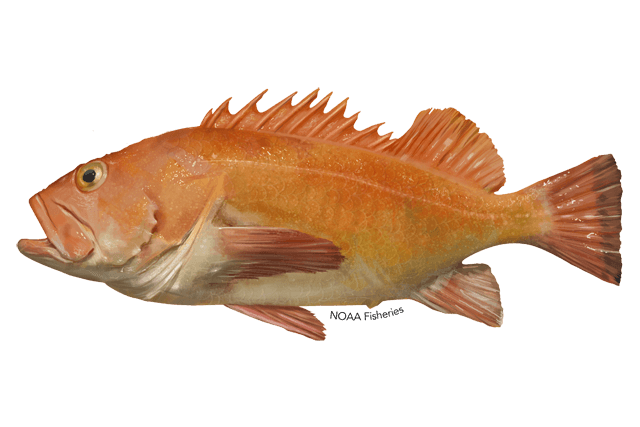
 Yelloweye Rockfish
- 6-hour weekday fishing trips targeting rockfish, salmon, and lingcod
- Small groups of 6 maximum with gear and instruction included
- $600 plus tax with non-refundable deposit required
Trip Pricing and Availabilities:
Homer Alaska Weekday Fishing Trip
Looking for a solid fishing day when the usual halibut crowds are elsewhere? Sweet Action Charter's weekday special is exactly what you need. This Tuesday and Wednesday option focuses on the species that make Homer's waters legendary year-round - rockfish, salmon, and lingcod. With just you and up to 5 other anglers aboard, you'll have plenty of room to fish without the weekend rush. Captain and crew know these waters like their own backyard, and they'll put you on fish using proven techniques that work consistently in Kachemak Bay.
What to Expect on the Water
This 6-hour trip runs when the regular halibut charters take their midweek break, giving you access to some of the best multispecies fishing Homer has to offer. You're looking at a relaxed pace with serious fishing - no rushing between spots or dealing with packed boats. The crew sets you up with quality rods, reels, and all the tackle you need, then walks you through the techniques that work best for each species. From May 15-31, you're paying $600 plus Homer's 7.85% local tax, which is a solid value for a private-group experience. Keep in mind that lingcod season opens July 1st, so early season trips focus on rockfish and salmon before adding that lingcod component later in summer.
Trolling and Bottom Tactics
You'll use two main approaches depending on what's biting and where the fish are holding. Trolling gets you into salmon as they move through the bay, using downriggers and flasher-dodger setups that trigger strikes from kings and other salmon species. The crew handles all the technical stuff while you focus on feeling for that telltale thump of a fish hitting your gear. When it's time for bottom fishing, you're dropping jigs and bait rigs down to rockfish structure and lingcod habitat. The rocky bottom around Homer holds plenty of yelloweye rockfish and other species that fight hard once hooked. Switching between techniques keeps the day interesting and maximizes your chances with whatever's most active.
Top Catches This Season
Lingcod are the headliners once July rolls around - these aggressive predators can reach 30-50 pounds and fight like they mean it. They lurk around rocky structure and kelp beds, ambushing anything that looks like an easy meal. What makes them special is their willingness to hit big jigs and their bulldogging fight that tests your arms. Homer's lingcod population is healthy, and the July 1st opener coincides with prime fishing conditions. Yelloweye rockfish are available throughout the season and represent some of the best table fare in Alaska waters. These bright red-orange fish live around rocky bottom and can reach impressive sizes - 5 to 15 pounds is common, with larger specimens always possible. They're relatively easy to hook but their delicate mouths mean you need to play them carefully. Chinook salmon are the kings of the Pacific, and Homer's waters see good runs during spring and early summer. These silver bullets can range from teenagers in the 10-15 pound range up to mature adults pushing 40 pounds or more. They're incredibly strong swimmers with stamina that can surprise even experienced anglers. Pacific halibut aren't the main target on this trip, but they're always a possibility when you're fishing Homer's productive waters. These flatfish can range from smaller "chicken" halibut perfect for dinner up to barn doors that create stories you'll tell for years.
Time to Book Your Spot
This weekday-only option fills up with repeat customers who know the value of avoiding crowds while still getting world-class fishing. The intimate group size means personalized attention from the crew and plenty of space to fish comfortably. Since deposits are non-refundable, you want to be sure about your dates, but that policy also means serious anglers who show up ready to fish. Whether you're visiting Homer for the first time or you're a local looking for a midweek break, this multispecies approach gives you the best shot at a mixed bag of Alaska's top gamefish. The combination of trolling and bottom fishing keeps things interesting all day, and the crew's local knowledge puts you on productive water consistently.
Learn more about the species
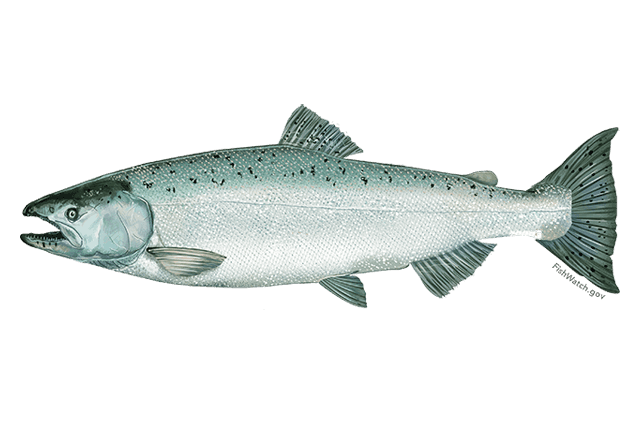
Chinook Salmon
King salmon are the largest Pacific salmon and absolute powerhouses when hooked. These silver-sided fish with black-spotted backs typically run 15-30 pounds in our waters, though 40+ pounders show up regularly. They're sensitive to light and tend to stay deeper during the day, making our early morning starts perfect timing. Kings migrate through our area heading to spawning streams, feeding on herring, squid, and smaller fish. The fight is legendary - long powerful runs that'll test your drag and your nerves. Plus, that rich red meat is unmatched for the dinner table. We'll be trolling for them using a mix of spoons, plugs, and cut herring at various depths. The key is staying mobile and adjusting your depth until you find where they're feeding. Once you hook into a king, hold on tight and let the fish tire itself out.
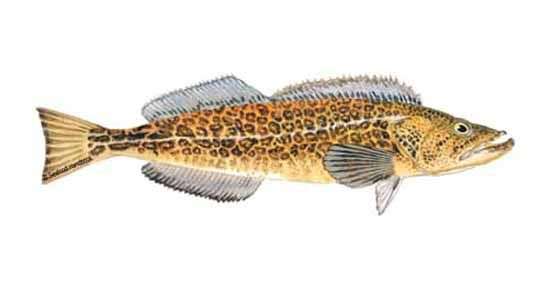
Lingcod
Despite their name, lingcod aren't actually cod but greenlings with a gnarly appearance thanks to massive teeth and mottled coloring. These ambush predators hang out in rocky areas from 30-300 feet, using their camouflage to grab anything that swims by. Females can reach 30+ pounds while males stay smaller. Available after July 1st due to regulations, they're perfect for our weekday trips when we're bottom fishing the rocky structure. What makes them special is their aggressive nature - once hooked, they fight hard but won't run far from home. The meat is excellent eating too. Pro tip: use a heavy jig and work it right along the bottom near rocks. When you feel that solid thump, set the hook quick because they'll try to wrap you up in their rocky hideout.
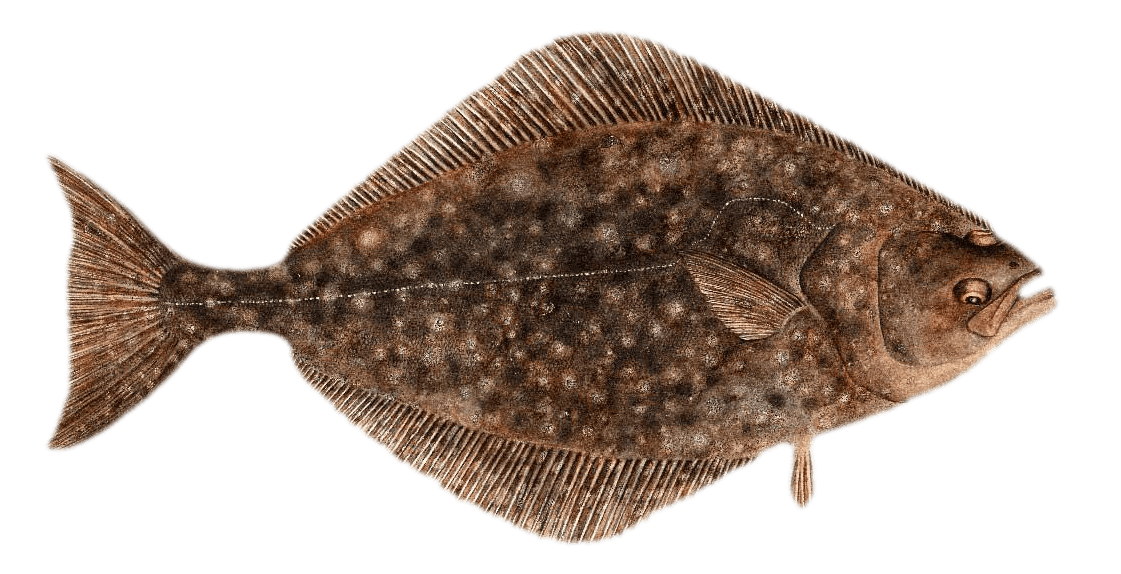
Pacific Halibut
Pacific halibut are Alaska's most famous flatfish and for good reason - these diamond-shaped bottom dwellers can reach massive sizes, with 100+ pounders caught regularly in our waters. They live on sandy and muddy bottoms anywhere from 20-400 feet, ambushing prey like cod, salmon, and crabs. Summer brings them into shallower feeding areas, making them more accessible. The average fish runs 20-40 pounds, but the possibility of a barn door keeps everyone on edge. Their firm white meat is restaurant quality and extremely versatile. We fish them with heavy tackle and 1-2 pound weights to reach bottom, using salmon heads, herring, or octopus for bait. The bite feels like a gentle tap, then steady weight. Key tip: when you think you've got one, reel steady and don't rush - they're strong swimmers and will use every bit of that power on the way up.
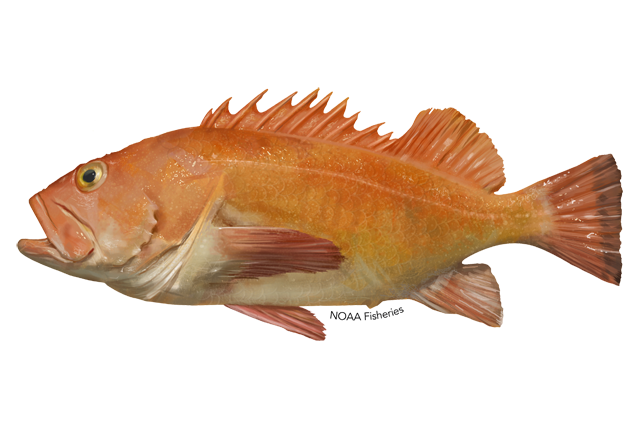
Yelloweye Rockfish
Yelloweye rockfish are some of the most prized catches in Alaska waters, known for their bright golden eyes and orange-red coloring that deepens with age. These bottom dwellers live around rocky reefs and boulder fields anywhere from 60 to 600 feet deep, with bigger fish typically found deeper. They're slow-growing and can live over 100 years, which makes landing a large one special. Most run 5-15 pounds, but 20+ pounders aren't uncommon up here. The fight is steady rather than flashy, but the payoff is sweet, delicate meat that's hard to beat. Since they live in rocky cover, you'll need stout tackle and heavy weights to get down to them and pull them out of the structure. My advice: once you hook up, keep steady pressure and don't give them time to duck back into the rocks.
About the Sweet Action Charter
%2F%2Fusers%2F38547180-20f6-4598-b3e2-09f0700e8ff2%2Fvehicle_picture%2Fboatpicture-mjxppuwo.jpg&w=1920&q=75)
Vehicle Guest Capacity: 6
Manufacturer Name: Evinrude
Maximum Cruising Speed: 25
Number of Engines: 1
Horsepower per Engine: 150