%2Ffit-in%2F250x250%2Fguide_websites%2F59167%2Fimages%2F1767416667104image20.png&w=1920&q=100)
/users/38547180-20f6-4598-b3e2-09f0700e8ff2/ratecard/1-mjxtnflr.png)
%2F300x300%2Fusers%2F38547180-20f6-4598-b3e2-09f0700e8ff2%2Fratecard%2F1-mjxtnflr.png&w=256&q=75)
%2F300x300%2Fusers%2F38547180-20f6-4598-b3e2-09f0700e8ff2%2Fimages%2Ffishing-getaway-homer-alaska-2617.jpg&w=256&q=75)
%2F300x300%2Fusers%2F38547180-20f6-4598-b3e2-09f0700e8ff2%2Fimages%2Fsuccessful-fishing-homer-2830.jpg&w=256&q=75)
%2F300x300%2Fusers%2F38547180-20f6-4598-b3e2-09f0700e8ff2%2Fimages%2Falaskan-halibut-catch-3106.jpg&w=256&q=75)
%2F300x300%2Fusers%2F38547180-20f6-4598-b3e2-09f0700e8ff2%2Fimages%2Fpacific-halibut-homer-fishing-3149.jpg&w=256&q=75)
%2F300x300%2Fusers%2F38547180-20f6-4598-b3e2-09f0700e8ff2%2Fimages%2Fbest-day-fishing-homer-2216.png&w=256&q=75)
%2F300x300%2Fusers%2F38547180-20f6-4598-b3e2-09f0700e8ff2%2Fimages%2Ffishing-homer-2427.png&w=256&q=75)
%2F300x300%2Fusers%2F38547180-20f6-4598-b3e2-09f0700e8ff2%2Fimages%2Falaskan-fishing-adventure-2497.png&w=256&q=75)
%2F300x300%2Fusers%2F38547180-20f6-4598-b3e2-09f0700e8ff2%2Fimages%2Falaskan-fishing-adventure-2318.png&w=256&q=75)
%2F300x300%2Fusers%2F38547180-20f6-4598-b3e2-09f0700e8ff2%2Fimages%2Fbest-great-fishing-expedition-alaska-2254.png&w=256&q=75)
%2F300x300%2Fusers%2F38547180-20f6-4598-b3e2-09f0700e8ff2%2Fimages%2Falaskan-fishing-expedition-2231.png&w=256&q=75)
Homer Two Species Fishing Sweet Action Alaska
 Alaska
What you will be catching:
 Chinook Salmon
 Pacific Halibut
- Full-day combo trip targets both halibut and salmon species
- All gear provided with expert technique instruction included
- Accommodates up to 6 passengers for families and small groups
Trip Pricing and Availabilities:
Homer Alaska Two Species Fishing Trip
Looking for the best of both worlds on Alaska's waters? This combo trip puts you right in the sweet spot where world-class halibut fishing meets productive salmon runs. Sweet Action Charter has dialed in this 8-hour adventure to give you serious shots at both Pacific halibut and Chinook salmon in the same day. We're talking about dropping lines in some of Homer's most reliable fishing grounds, where the bottom structure holds trophy halibut and the currents bring in hungry kings. You'll get the full Alaska experience without having to choose between these two customer favorites - just pure fishing action from sunrise to sunset.
What to Expect on the Water
This isn't your typical half-day quickie - we're putting in a full 8 hours to make sure you get quality time with both species. The day starts early, but trust me, it's worth rolling out of bed when you see what these waters can produce. We'll spend the bulk of our time working the bottom for halibut, then transition to trolling patterns where the salmon have been showing up. The boat handles up to 6 anglers comfortably, making it perfect for families or small groups who want that personal touch without feeling crowded. Weather plays a big part in our game plan, so we stay flexible and fish where conditions give us the best advantage. Some days we'll start deep for halibut and work shallower as the tide changes, other days we might hit the salmon grounds first thing if that's where the action is hottest.
Techniques and Tackle
We've got you covered on all the gear - rods, reels, and tackle are included, plus you'll get hands-on instruction throughout the trip. For halibut, we're talking serious bottom fishing with heavy sinkers and circle hooks that can handle these barn doors when they decide to fight. The technique is straightforward but effective: drop your bait to the bottom, keep good contact with your line, and be ready for that telltale tap-tap-pull that means a halibut just picked up your offering. Salmon fishing switches gears completely - we'll be trolling with downriggers and flashers, covering water to find where the kings are traveling. The beauty of this combo approach is you get to experience two totally different fishing styles in one trip. We run barbless hooks and practice proper fish handling to keep our fishery healthy, plus I'll walk you through the best techniques for fighting and landing both species safely.
Top Catches This Season
Pacific halibut are the main attraction here, and for good reason - these flatfish can absolutely blow your mind with their size and fight. Homer sits right in prime halibut habitat where the continental shelf drops off, creating the perfect bottom structure these fish love. During peak season from June through September, we're seeing halibut ranging from keeper-sized 30-pounders up to genuine trophy fish pushing 100 pounds or more. What makes halibut so exciting isn't just their size - it's that moment when you think you're hung up on the bottom, then suddenly the "bottom" starts swimming away with your line screaming off the reel. These fish have serious power and endurance, often taking 15-20 minutes to bring to the boat even with heavy tackle. The meat quality is world-class too, with firm white fillets that taste as good as they fight.
Chinook salmon bring a completely different energy to the trip, but they're every bit as rewarding to target. These kings show up in our waters following baitfish, and when you hook into a fresh chrome-bright Chinook, you're in for some serious acrobatics. Unlike halibut that fight deep and heavy, kings will jump, run, and test your drag in ways that keep your adrenaline pumping. We typically see fish in the 15-30 pound range, with occasional monsters that push 40 pounds or better. The key to consistent salmon success is staying mobile and reading the water - some days they're holding deep near structure, other days they're cruising the surface chasing herring. That's why having an experienced captain makes all the difference in putting you on fish.
Time to Book Your Spot
At $450 per person (plus Homer's 7.85% local tax), this trip delivers serious value for a full day targeting two of Alaska's most sought-after species. The season runs June 1st through September 15th, hitting the peak months when both halibut and salmon are most active in our local waters. Keep in mind that deposits are non-refundable, so make sure your dates work before committing. With space for up to 6 guests, this trip fills up fast during prime summer months - especially those sweet spot weeks in July and August when fishing conditions are most consistent. Sweet Action Charter has built a reputation for putting clients on fish while keeping safety and instruction as top priorities, making this a top-rated choice for both experienced anglers and folks just getting started with Alaska fishing. Book early, bring your camera, and get ready for the kind of fishing day that'll have you planning your next Alaska trip before this one's even over.
Learn more about the species
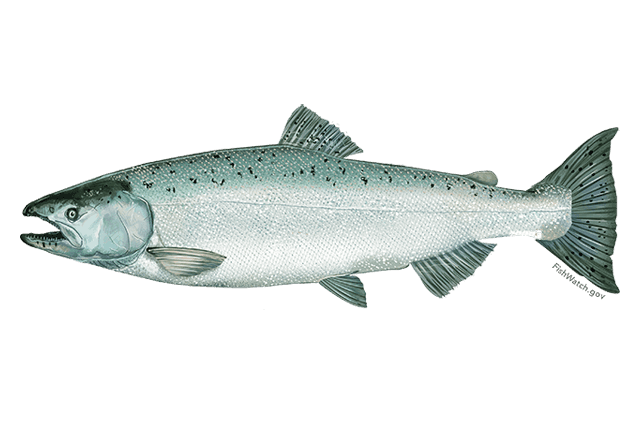
Chinook Salmon
King salmon are the biggest of all Pacific salmon, running 15-30 pounds with trophy fish pushing 40+ in our waters. They cruise deeper than other salmon, usually 40-120 feet down, following baitfish along underwater structure and drop-offs. We target them by trolling spoons and plugs at various depths throughout the water column. Summer months offer the best action when they're feeding heavily before their spawning runs. Kings are legendary fighters - they'll make long runs and jump when hooked, testing your skills and tackle. The meat is rich, oily, and perfect for grilling or smoking. Here's a local tip: when you feel that first solid hit, keep steady pressure but don't horse them up too fast. Let them tire themselves out in the deep water first, then work them up slowly. Their black gums distinguish them from other salmon species.
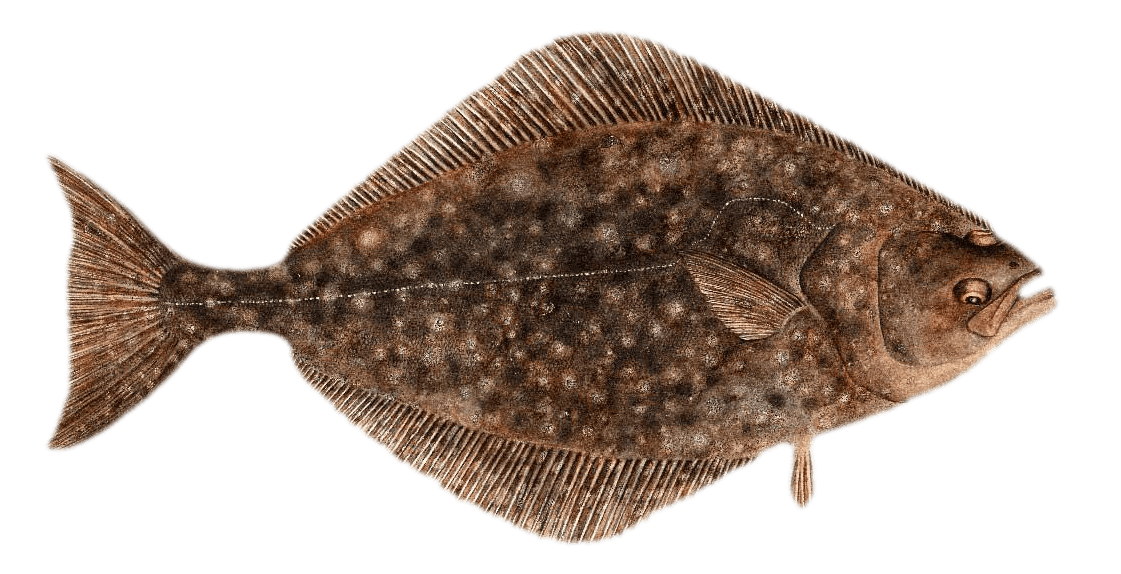
Pacific Halibut
Pacific halibut are true giants of the seafloor, with fish ranging from "chickens" at 10-20 pounds up to barn doors over 100 pounds. These flatfish live on sandy and muddy bottoms between 80-400 feet deep, hunting everything from cod to octopus. They're most active during summer months when they move into shallower feeding areas. What makes halibut special is the surprise factor - you never know if that tap on your line is a 15-pounder or a 150-pounder until it's coming up. They fight differently than other fish, more like pulling up a stubborn submarine than the flashy runs of salmon. The white meat is some of the best eating you'll find - firm, mild, and perfect for any cooking method. My advice: when you hook one, pump and wind steadily rather than just cranking. Keep constant pressure and be patient on the big ones.
About the Sweet Action Charter
%2F%2Fusers%2F38547180-20f6-4598-b3e2-09f0700e8ff2%2Fvehicle_picture%2Fboatpicture-mjxppuwo.jpg&w=1920&q=75)
Vehicle Guest Capacity: 6
Manufacturer Name: Evinrude
Maximum Cruising Speed: 25
Number of Engines: 1
Horsepower per Engine: 150