%2Ffit-in%2F250x250%2Fguide_websites%2F59167%2Fimages%2F1767416667104image20.png&w=1920&q=100)
/users/38547180-20f6-4598-b3e2-09f0700e8ff2/ratecard/image15-mjxsv16c.png)
%2F300x300%2Fusers%2F38547180-20f6-4598-b3e2-09f0700e8ff2%2Fratecard%2Fimage15-mjxsv16c.png&w=256&q=75)
%2F300x300%2Fusers%2F38547180-20f6-4598-b3e2-09f0700e8ff2%2Fimages%2Ffishing-getaway-homer-alaska-2617.jpg&w=256&q=75)
%2F300x300%2Fusers%2F38547180-20f6-4598-b3e2-09f0700e8ff2%2Fimages%2Fsuccessful-fishing-homer-2830.jpg&w=256&q=75)
%2F300x300%2Fusers%2F38547180-20f6-4598-b3e2-09f0700e8ff2%2Fimages%2Falaskan-halibut-catch-3106.jpg&w=256&q=75)
%2F300x300%2Fusers%2F38547180-20f6-4598-b3e2-09f0700e8ff2%2Fimages%2Fpacific-halibut-homer-fishing-3149.jpg&w=256&q=75)
%2F300x300%2Fusers%2F38547180-20f6-4598-b3e2-09f0700e8ff2%2Fimages%2Fbest-day-fishing-homer-2216.png&w=256&q=75)
%2F300x300%2Fusers%2F38547180-20f6-4598-b3e2-09f0700e8ff2%2Fimages%2Ffishing-homer-2427.png&w=256&q=75)
%2F300x300%2Fusers%2F38547180-20f6-4598-b3e2-09f0700e8ff2%2Fimages%2Falaskan-fishing-adventure-2497.png&w=256&q=75)
%2F300x300%2Fusers%2F38547180-20f6-4598-b3e2-09f0700e8ff2%2Fimages%2Falaskan-fishing-adventure-2318.png&w=256&q=75)
%2F300x300%2Fusers%2F38547180-20f6-4598-b3e2-09f0700e8ff2%2Fimages%2Fbest-great-fishing-expedition-alaska-2254.png&w=256&q=75)
%2F300x300%2Fusers%2F38547180-20f6-4598-b3e2-09f0700e8ff2%2Fimages%2Falaskan-fishing-expedition-2231.png&w=256&q=75)
Homer Mixed Species Charter Sweet Action Alaska
 Alaska
What you will be catching:
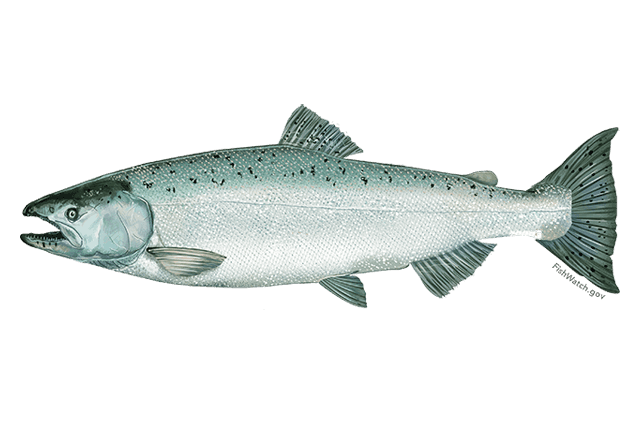
 Chinook Salmon
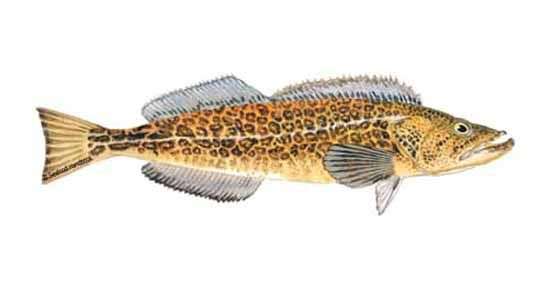
 Lingcod
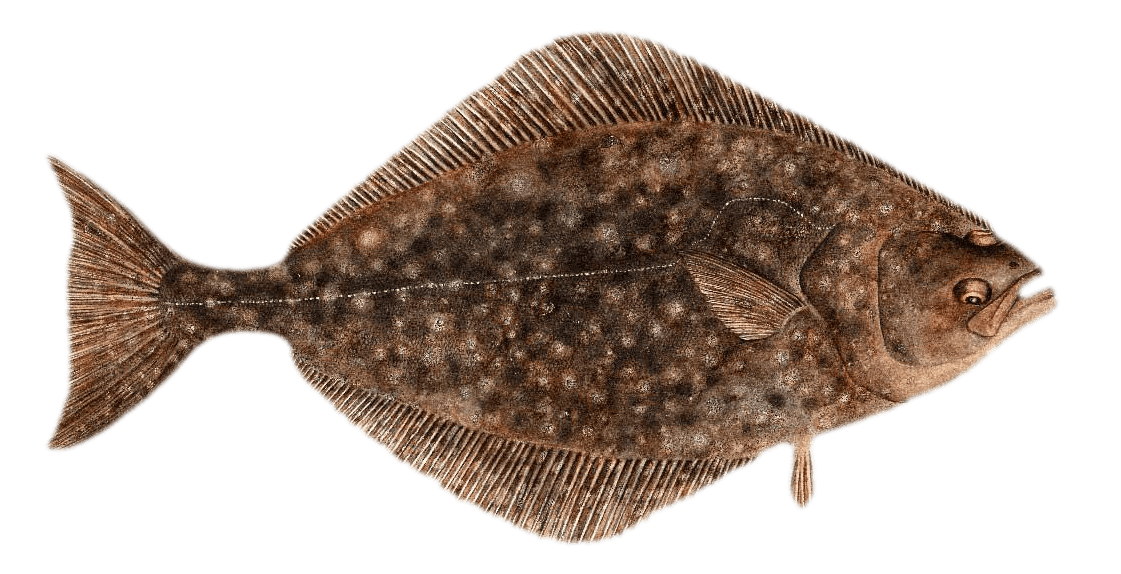
 Pacific Halibut
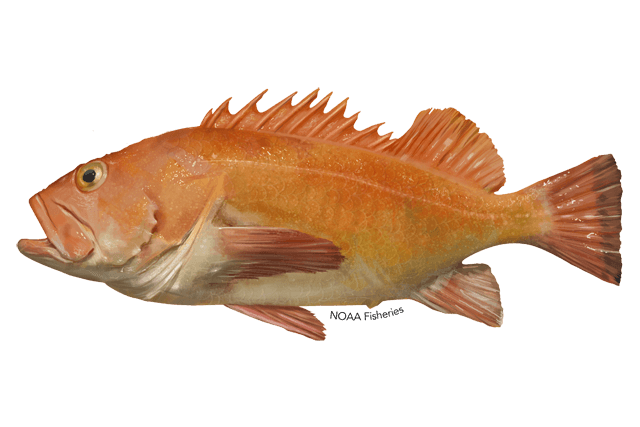
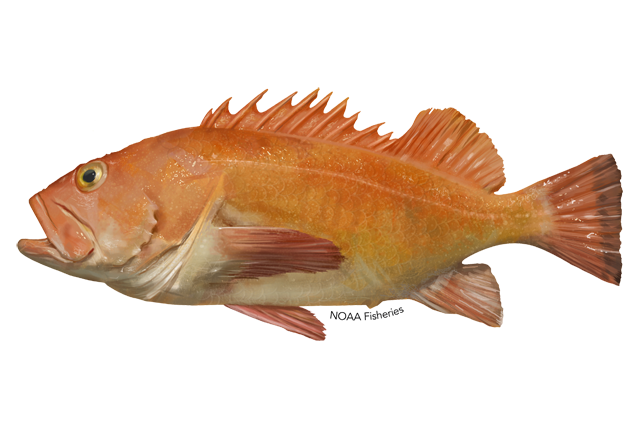 Yelloweye Rockfish
- Six-hour multi-species charter targeting halibut, rockfish, salmon, and lingcod
- Small group size limited to six passengers with experienced local guide
- All fishing gear and tackle provided during peak Homer season
Trip Pricing and Availabilities:
Homer Alaska Mixed Species Fishing Charter
If you're looking to maximize your time on the water and chase multiple species in one trip, this Homer multispecies charter is exactly what you need. Sweet Action Charter runs these 6-hour adventures during Alaska's peak fishing season, targeting everything from dinner-plate halibut to chrome-bright salmon. What makes this trip special is the variety – you're not locked into one technique or one target. The crew adapts throughout the day based on conditions, fish activity, and what's biting best. With space for up to 6 anglers, you get that personal attention that makes all the difference when you're learning new waters.
What to Expect on the Water
This isn't your typical single-species grind. The captain and crew switch things up as conditions change, moving from bottom fishing productive halibut spots to trolling salmon highways. You might start the morning dropping jigs for rockfish on structure, then shift to pulling gear for kings as the tide changes. After July 1st, lingcod come into the mix, adding another exciting dimension to an already diverse day. The boat carries quality rods, reels, and terminal tackle, plus the crew provides hands-on guidance whether you're a seasoned angler or picking up a rod for the first time. Homer's waters offer incredible variety within a relatively small area, so you're not burning half your trip running to distant spots.
Techniques and Tackle
The beauty of multispecies fishing lies in the different approaches throughout the day. For halibut and rockfish, you'll be bottom fishing with heavy jigs and bait rigs, feeling for that telltale thump as fish pick up your offering. The crew shows you how to work the bottom structure where these species hang out. When targeting salmon, the boat switches to trolling mode, pulling spoons, plugs, or bait behind downriggers and planer boards. Each species requires different tackle and techniques, but that's what keeps the day interesting. The gear is provided, but if you have favorite lures or tackle, bring them along. Local knowledge is everything in these waters, and the crew knows which spots produce best for each species as seasons progress.
Top Catches This Season
Pacific halibut are the bread and butter of Homer fishing, and these flatfish can range from perfect eating size "chickens" around 10-20 pounds up to barn doors pushing 100 pounds or more. They're active all season long, hugging the bottom in 80-200 feet of water. What makes halibut special here is their fight – they're like trying to lift a manhole cover that doesn't want to come up. The meat is phenomenal, and even smaller fish provide plenty of fillets for the freezer. Halibut fishing peaks during summer months when they move into shallower feeding areas.
Yelloweye rockfish add color and excitement to the bottom fishing action. These bright red and orange fish live around rocky structure and can live over 100 years, growing to impressive sizes. They're scrappy fighters that use the rocks to their advantage, trying to cut your line on sharp edges. Yelloweye have that classic rockfish flavor – firm, white meat that's perfect for fish and chips or grilling. They're available throughout the season, though larger specimens tend to be found in deeper water.
Chinook salmon, or king salmon as locals call them, are the prize catch for many anglers. These powerful fish can exceed 30 pounds in Homer waters, and their strength is legendary. When a big king hits your trolled lure, you know it immediately – they make long, powerful runs and aerial displays that get everyone's attention. The meat is rich and oily, perfect for grilling or smoking. King salmon fishing is best from May through July, with peak action often coinciding with incoming tides and early morning or evening hours.
Lingcod become legal targets after July 1st, and they're worth waiting for. These aggressive predators can reach 40+ pounds and have mouths full of teeth that look prehistoric. They're ambush hunters that attack with surprising speed, often hitting lures with bone-jarring strikes. Despite their ugly appearance, lingcod are excellent eating with firm, white meat. They're found around rocky bottom and kelp beds, and once you find one spot, there are usually others nearby. Lingcod fishing adds a visual element since you can sometimes see them following your lure up from the depths.
Time to Book Your Spot
A mixed species charter gives you the best shot at a memorable day on the water, especially if you're visiting Homer and want to experience the full range of what these world-class fishing grounds offer. The 6-hour format provides enough time to try different techniques and areas without feeling rushed. Pricing runs $500 per trip during shoulder seasons, increasing to $600 from June through mid-September when fishing peaks, plus Homer's local tax. Remember that deposits are non-refundable, so plan accordingly. This trip fills up during prime season, particularly July and August when all species are available. Book early to secure your preferred dates, and come ready for a day that showcases why Homer calls itself the halibut fishing capital of the world.
Learn more about the animals
Chinook Salmon
King salmon are the heavyweight champions of the salmon world, and Alaska's waters produce some absolute monsters. These silver-sided beauties with black-spotted fins can hit 30+ pounds, though most run 15-25 pounds. They're strong, deep fighters that'll test your gear and patience. We find them throughout the water column but they tend to stay deeper during bright days. Early morning and evening are prime times when they're more active. Summer is peak season here, especially July and August. What makes kings special is that incredible orange-pink meat - there's nothing like fresh Alaska king on the grill. They're light-sensitive fish, so we often fish deeper with downriggers or heavy tackle. Here's something that works well: when trolling, vary your speed every few minutes. Kings often hit right after a speed change, so don't just set it and forget it. Mix up your presentation and you'll get more strikes.
Lingcod
These gnarly-looking fish with their massive teeth and "buckethead" appearance are one of the most unique catches you'll find here. Despite the name, they're actually greenlings, not true cod. Lingcod hang out in rocky areas from 30 to 300 feet, using their mottled coloring to ambush prey. They're aggressive fighters that would rather scrap than run - makes for an exciting battle on the rod. Females can reach 30+ pounds while males stay smaller, usually under 20. Summer and fall are prime time when they're feeding heavily. The meat is excellent eating, though sometimes has a blue-green tint that cooks out white. Here's a local trick: once you hook one, keep steady pressure and get them away from the rocks fast. They'll try to wrap your line around structure, so don't give them the chance to get back to their lair.
Pacific Halibut
Pacific halibut are the barn doors of the sea - massive flatfish that can stretch 6+ feet and weigh over 200 pounds, though most we catch run 20-80 pounds. They're bottom dwellers living on sandy and muddy flats from 50 to 400 feet deep. Summer is prime time when they move into shallower feeding areas and are most active. What guests love is the fight - a big halibut feels like hooking into a submarine door, and the meat is some of the finest eating fish in the ocean. These fish are smart hunters that use both sight and scent to track down salmon, cod, and other bottom fish. The key to halibut is patience and the right presentation. Drop your bait to the bottom with enough weight to stay put, then lift and drop your rod tip every few minutes to get their attention. Fresh salmon belly or herring works best. Once you feel that tap-tap-pull, let them take it before setting the hook - they need time to turn that big bait around.
Yelloweye Rockfish
Yelloweyes are some of the most prized rockfish we target, known for their bright golden eyes and orange-red coloring that gets more vibrant with age. These are the granddaddies of the rockfish world - they can live over 100 years and grow to 30+ pounds. You'll find them in rocky structure from 60 feet down to several hundred, with the bigger fish usually deeper. They're pretty cooperative once hooked but getting down to them takes some work. Summer months are best when they're more active and feeding. What guests love most is the sweet, delicate meat - it's about as good as it gets for table fare. The fight isn't spectacular, but landing a big yelloweye feels like pulling up a piece of Alaska history. Pro tip: use heavy jigs and keep them moving near the bottom. These fish rely on scent in deep water, so fresh bait helps, but they'll hit a well-presented jig too.
About the Sweet Action Charter
%2F%2Fusers%2F38547180-20f6-4598-b3e2-09f0700e8ff2%2Fvehicle_picture%2Fboatpicture-mjxppuwo.jpg&w=1920&q=75)
Vehicle Guest Capacity: 6
Manufacturer Name: Evinrude
Maximum Cruising Speed: 25
Number of Engines: 1
Horsepower per Engine: 150