%2Ffit-in%2F250x250%2Fguide_websites%2F59167%2Fimages%2F1767416667104image20.png&w=1920&q=100)
/users/38547180-20f6-4598-b3e2-09f0700e8ff2/ratecard/image15-mjxsivu3.png)
%2F300x300%2Fusers%2F38547180-20f6-4598-b3e2-09f0700e8ff2%2Fratecard%2Fimage15-mjxsivu3.png&w=256&q=75)
%2F300x300%2Fusers%2F38547180-20f6-4598-b3e2-09f0700e8ff2%2Fimages%2Ffishing-getaway-homer-alaska-2617.jpg&w=256&q=75)
%2F300x300%2Fusers%2F38547180-20f6-4598-b3e2-09f0700e8ff2%2Fimages%2Fsuccessful-fishing-homer-2830.jpg&w=256&q=75)
%2F300x300%2Fusers%2F38547180-20f6-4598-b3e2-09f0700e8ff2%2Fimages%2Falaskan-halibut-catch-3106.jpg&w=256&q=75)
%2F300x300%2Fusers%2F38547180-20f6-4598-b3e2-09f0700e8ff2%2Fimages%2Fpacific-halibut-homer-fishing-3149.jpg&w=256&q=75)
%2F300x300%2Fusers%2F38547180-20f6-4598-b3e2-09f0700e8ff2%2Fimages%2Fbest-day-fishing-homer-2216.png&w=256&q=75)
%2F300x300%2Fusers%2F38547180-20f6-4598-b3e2-09f0700e8ff2%2Fimages%2Ffishing-homer-2427.png&w=256&q=75)
%2F300x300%2Fusers%2F38547180-20f6-4598-b3e2-09f0700e8ff2%2Fimages%2Falaskan-fishing-adventure-2497.png&w=256&q=75)
%2F300x300%2Fusers%2F38547180-20f6-4598-b3e2-09f0700e8ff2%2Fimages%2Falaskan-fishing-adventure-2318.png&w=256&q=75)
%2F300x300%2Fusers%2F38547180-20f6-4598-b3e2-09f0700e8ff2%2Fimages%2Fbest-great-fishing-expedition-alaska-2254.png&w=256&q=75)
%2F300x300%2Fusers%2F38547180-20f6-4598-b3e2-09f0700e8ff2%2Fimages%2Falaskan-fishing-expedition-2231.png&w=256&q=75)
Homer Multispecies Fishing Sweet Action Inshore
 Alaska
What you will be catching:
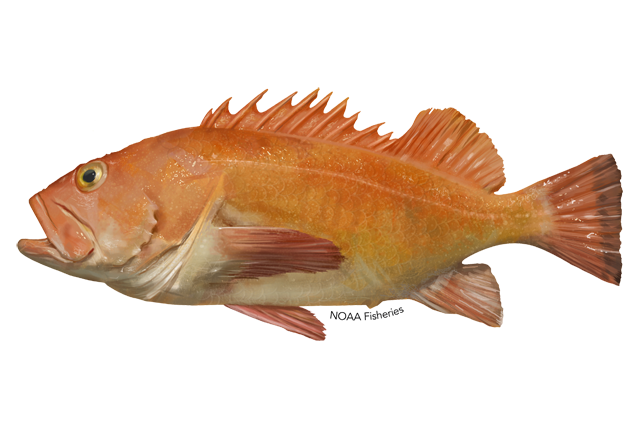 Yelloweye Rockfish
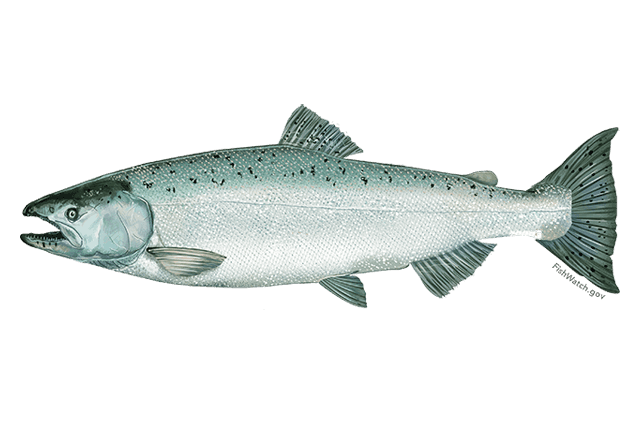
 Chinook Salmon
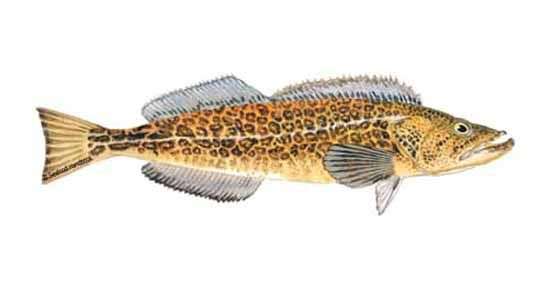
 Lingcod
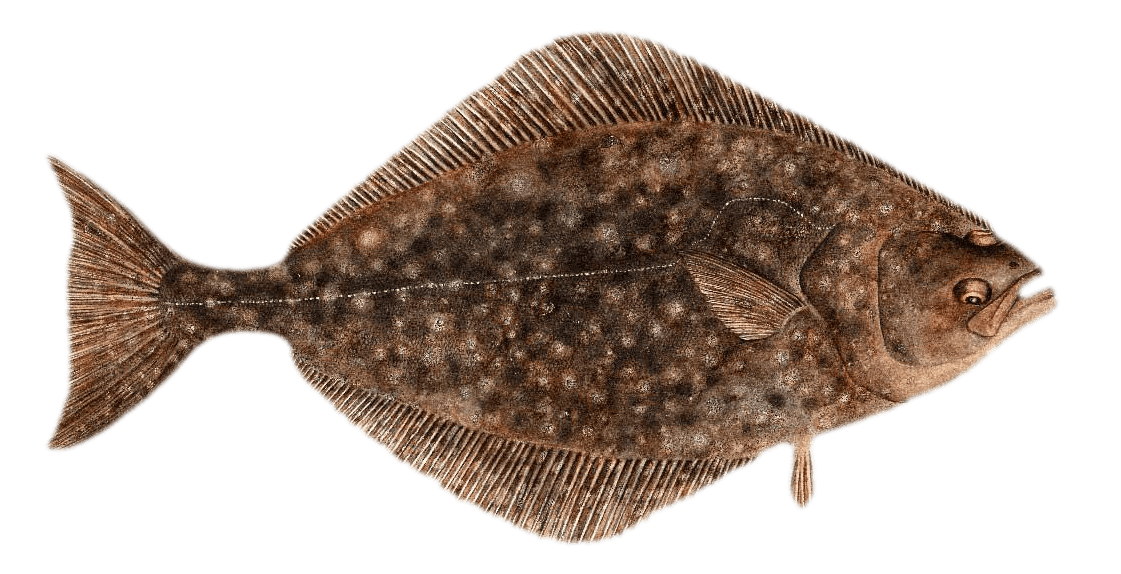
 Pacific Halibut
- 6-hour multispecies charter targeting halibut, rockfish, salmon, and lingcod
- Small groups of 6 anglers maximum with provided gear and expert coaching
- Multiple fishing techniques across Homer's most productive fishing waters
Trip Pricing and Availabilities:
Homer Alaska Multispecies Fishing Charter
Looking for the ultimate variety day on the water? This multispecies charter out of Homer puts you on four different fish in one six-hour trip. We're talking halibut, rockfish, salmon, and lingcod (after July 1st when regs allow). Sweet Action Charter keeps it intimate with just you and up to five other anglers, so there's plenty of room to move around and everyone gets quality time with the fish. The boat's equipped with everything you need – rods, reels, tackle, and a captain who knows these waters like the back of his hand. At $450 during the May 15-31 window (plus Homer's 7.85% tax), you're getting serious bang for your buck on what locals consider one of the best mixed-bag trips in Kachemak Bay.
What to Expect on the Water
This isn't your typical "pick one species and stick with it" kind of day. We're constantly moving and switching up tactics to put you on whatever's biting best. The morning might start with some bottom fishing for halibut and rockfish over structure, then we'll move to trolling for salmon as conditions change. Your captain reads the water, weather, and fish activity to keep the action hot throughout the six-hour window. The boat's never crowded – six anglers max means you're not fighting for rail space or waiting forever for your turn. Homer's location gives us access to both protected bay waters and open ocean structure, so we've got options no matter what Mother Nature throws at us. The pace stays steady but never rushed, giving everyone time to really work each spot properly.
Bottom Fishing and Trolling
We're switching between two main techniques depending on what we're targeting. Bottom fishing happens over rocky structure and drop-offs where halibut and rockfish hang out. You'll be using heavy sinkers to get your bait down 100-300 feet, feeling for that telltale thump when a fish picks up your offering. The gear's built for it – stout rods and reels with enough backbone to horse up a decent halibut from the deep. When we're after salmon, it's trolling time. We'll run multiple lines at different depths using downriggers and divers, covering water until we find the schools. The beauty of this setup is how quickly we can adapt. Fish showing deep on the sounder? We're dropping jigs to the bottom. Bait balls on the surface? Time to fire up the kickers and start trolling. Your captain's constantly adjusting based on what the electronics are showing and what other boats are reporting on the radio.
Top Catches This Season
Pacific Halibut are the bread and butter of this trip, and for good reason. These flatfish can range from "chicken" halibut around 10-20 pounds all the way up to barn doors pushing 100-plus. They're bottom dwellers that love rocky structure and muddy flats, feeding on everything from herring to crab. The fight's different than most fish – more of a heavy, bulldogging battle than flashy jumps. What makes halibut special here is the size variety. You never know if that bite's going to be dinner for two or enough fish to fill the freezer. Peak season runs May through September, but the bigger fish tend to show up later in summer.
Chinook Salmon, or King salmon as most folks call them, are the prize catch when they're running. These fish average 15-30 pounds in these waters, but 40-pounders aren't unheard of. They're built like torpedoes and fight like it – long runs, head shakes, and enough power to make your drag sing. Kings are here primarily during their spawning runs from May through July, though some feed in the bay year-round. They're picky eaters, preferring herring, anchovies, and the right presentation. When you hook one on a troll, you'll know it immediately. The rod loads up and the fish takes off like it's been shot from a cannon.
Yelloweye Rockfish are the old-timers of the reef. These bright orange and yellow beauties can live over 100 years and grow to impressive size – 5 to 15 pounds is common. They're ambush predators that sit tight to rocky structure, waiting for baitfish or crabs to wander too close. The fight's more about their determination to get back to the rocks than raw power, but they're bulldogs once hooked. Yelloweye are available year-round, though they bite best during stable weather when they're actively feeding. They're also some of the best eating fish in these waters, with firm white meat that's perfect for the grill.
Lingcod become fair game after July 1st, and they're worth waiting for. These prehistoric-looking predators can exceed 30 pounds and have mouths full of needle-sharp teeth. They're aggressive hunters that will hit almost anything that moves – jigs, bait, even lures meant for other species. Lingcod prefer rocky bottom and kelp beds where they can ambush prey. The bite feels like you've snagged bottom until suddenly the bottom starts fighting back. They're powerful fish that use every bit of structure to try and break you off. What really sets lingcod apart is their attitude – they're mean, aggressive, and will often hit your bait the second it reaches their depth.
Time to Book Your Spot
This multispecies approach gives you the best shot at consistent action and variety that most single-species trips can't match. Instead of putting all your eggs in one basket, you're targeting four different fish with different habits and feeding patterns. Bad halibut bite? No problem – we're switching to salmon trolling. Slow salmon action? Time to work the rockpiles for yelloweye and lingcod. The six-hour window gives us enough time to really work each technique properly without feeling rushed. Sweet Action Charter's intimate boat size means personalized attention and room to
Learn more about the animals
Yelloweye Rockfish
Yelloweye rockfish are some of the most colorful fish you'll pull up from the deep rocky bottom. These bright orange beauties with those distinctive yellow eyes live 60-400 feet down in boulder fields and rocky structure. They're long-lived fish - some over 100 years old - and can reach 15-20 pounds, though most run 5-10. The meat is sweet and delicate, making them a favorite for the dinner table. They're available year-round and don't fight as hard as lingcod, but their deep habitat makes them challenging. The key is using heavy jigs or bait to get down to them, then muscling them up fast before they duck back into the rocks. Once hooked, keep steady pressure - they'll try to wrap you up in their rocky home.
Chinook Salmon
King salmon are the heavyweights of the salmon world, and Alaska grows them big. These silver-sided beauties with black-spotted backs typically run 15-30 pounds, but 40-pounders aren't uncommon in our waters. They cruise the deeper areas and are light-sensitive, so early morning and evening bites are usually best. What makes them special is that powerful fight combined with that rich, orange-red meat that's hard to beat on the table. We target them by trolling and they'll test your drag when hooked. Since they prefer staying deep during bright conditions, success often comes down to getting your bait or lure down to where they're comfortable - usually means adding weight and fishing the darker water columns.
Lingcod
Despite their name, lingcod aren't actually cod but greenlings with a mean attitude and teeth to match. These ambush predators hang out in rocky areas 30-300 feet deep, using their mottled coloring to blend in perfectly. They're pretty lazy most of the time, just lying on the bottom waiting for something tasty to swim by. Females can reach over 20 pounds while males stay smaller. Available after July 1st due to regulations, they're a blast to catch because they'd rather fight than run - that aggressive nature makes for some memorable battles. The meat is excellent eating too. Pro tip: once you hook one, keep steady pressure and get them up quick before they can wrap you around the rocks they call home.
Pacific Halibut
Halibut are the giants of our local waters and the main reason many anglers make the trip to Homer. These massive flatfish live on sandy and muddy bottoms 150-500 feet deep, and catching a "barn door" over 100 pounds is always possible. Most run 20-40 pounds, but they can reach well over 200. They're active feeders in summer, moving into shallower areas to hunt salmon, cod, and anything else that fits in their huge mouths. The fight is pure power - they'll make long runs and try to stay glued to the bottom. The white meat is some of the best eating in the ocean. My advice: once you feel that heavy pull, don't horse them up too fast. Let them tire out on the bottom, then bring them up steadily to avoid losing them at the boat.
About the Sweet Action Charter
%2F%2Fusers%2F38547180-20f6-4598-b3e2-09f0700e8ff2%2Fvehicle_picture%2Fboatpicture-mjxppuwo.jpg&w=1920&q=75)
Vehicle Guest Capacity: 6
Manufacturer Name: Evinrude
Maximum Cruising Speed: 25
Number of Engines: 1
Horsepower per Engine: 150