%2Ffit-in%2F250x250%2Fguide_websites%2F59167%2Fimages%2F1767416667104image20.png&w=1920&q=100)
Pacific Halibut Fishing in Chugiak Alaska
Pacific Halibut Fishing in Chugiak - What to Expect
%2F%2Fusers%2F38547180-20f6-4598-b3e2-09f0700e8ff2%2Fimages%2Fpacific-halibut-chugiak-alaska-fishing-2395.jpg&w=1920&q=75)
Fishing Charter by Captain Justin Dorathy in May

- Family friendly Private Alaska fishing trips


Summary
Land massive Pacific halibut on this thrilling fishing charter in Chugiak, Alaska. Join Captain Justin Dorathy for an unforgettable day targeting one of Alaska's most prized game fish. Perfect for anglers seeking exciting action and trophy-sized catches on Alaska's premier fishing grounds.
Fishing Charter with Captain Justin Dorathy - Rates & Booking
Captain Justin Dorathy of Sweet Action Charter operates a premier fishing charter in Chugiak, Alaska on Friday, May 9th. This fishing charter specializes in targeting Pacific halibut in some of Alaska's most productive waters. The experience brings together expert local knowledge, proper equipment, and proven techniques to maximize your chances at landing genuine trophy fish.
When you book with Sweet Action Charter, you're working with a captain who understands these waters intimately. Captain Dorathy positions you on the best halibut grounds, handles the navigation, and ensures your group is positioned for success. The charter approach means you get professional guidance, reliable equipment, and the full logistics handled by someone who lives and fishes these waters year-round.
To reserve your spot on this fishing charter, contact Sweet Action Charter directly to check availability and confirm your preferred date. Booking ahead ensures you secure your place during peak halibut season.
Highlights of Your Halibut Fishing Experience
The action on Chugiak halibut grounds moves fast. These powerful fish can reach impressive sizes, and when they take your bait, the strike hits hard. Multiple anglers in your group means multiple opportunities for hookups and the chance to witness dramatic battles from the deck. The boat becomes an energy hub as fish are hooked, fought, and brought to boatside.
Chugiak's location provides access to some of Alaska's richest halibut habitat. Captain Dorathy knows the structure, the seasonal patterns, and where trophy-class fish hold. You're not just fishing generic water - you're targeting proven halibut grounds with someone who knows them intimately.
Local Species Insights: Pacific Halibut
Pacific halibut are bottom-dwelling predators that inhabit deep waters off Alaska's coast. These fish are built for power - a flat, diamond-shaped body adapted for life on the seafloor, with both eyes positioned on the same side of their head. They're ambush hunters that wait for prey to pass overhead, then accelerate with explosive speed.
Halibut in Alaskan waters grow to substantial sizes. Fish exceeding 50, 75, even 100+ pounds are realistic targets on good days. They're strong, determined fighters that use their flat body profile to resist being lifted off the bottom. The fight is pure intensity - you feel the weight, the leverage, the raw power of a fish engineered for raw survival.
These fish are solitary hunters, typically found in deeper trenches and rocky channels where prey congregates. The habitat around Chugiak offers ideal conditions - deep water transitions, structure, and rich forage that keeps halibut well-fed and aggressive. Halibut feed primarily on smaller fish and crustaceans, making them reliable responders to properly presented live or dead bait.
The seasonal timing matters significantly. Different times of year push halibut into different depths and locations as water temperatures and prey availability shift. Captain Dorathy adjusts tactics based on current conditions, reading the water and the season to keep your group on active fish.
Fishing in Alaska: Pacific Halibut
Pacific Halibut Overview
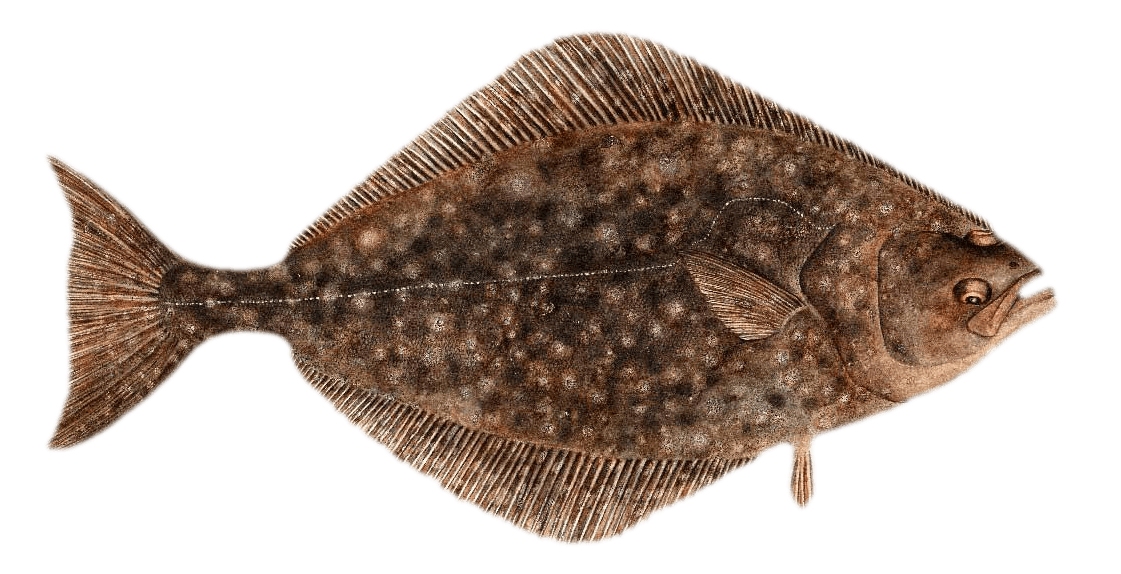
The Pacific Halibut (Hippoglossus stenolepis) is one of the world's largest flatfish species, belonging to the family Pleuronectidae within the order Pleuronectiformes. These remarkable deep-water dwellers are instantly recognizable by their muddy brown coloration adorned with dark-brown spots and their distinctively elongated, diamond-shaped bodies that set them apart from most other flatfish. What makes the Pacific Halibut truly special for anglers and seafood enthusiasts alike is not just their impressive size—they can reach up to 8 feet long and weigh as much as 500 pounds—but also their exceptional fighting ability and culinary value. Whether you're fishing off the coast of Alaska or exploring the waters near California, encountering a Pacific Halibut is a memorable experience that anglers dream about.
These are powerful swimmers that have adapted perfectly to life in cold, deep oceanic environments. Nearly all Pacific Halibuts are "right-eyed," meaning they rest and hunt with their right side facing upward and their left side against the seafloor—a peculiar adaptation that makes them one of nature's most interesting bottom-dwelling predators.
Pacific Halibut Habitat and Distribution
Pacific Halibuts are found exclusively in the deep, cold waters of the northern Pacific region, preferring depths between 20 and 1,000 feet, though they can venture as deep as 3,600 feet when conditions warrant. They thrive in water temperatures ranging from 37°F to 46°F and are most commonly located on or near continental shelves where food is abundant. In the United States, their range extends from the coasts of California northward through Oregon and Washington, up the Canadian coast, into the productive waters of the Gulf of Alaska and the Bering Sea, and all the way to the Chukchi Sea.
These demersal fish—a scientific term for bottom-dwelling species similar to stingrays—follow predictable migration patterns, moving in a clockwise direction from northwest to southeast throughout the year. The Gulf of Alaska and Bering Sea represent the most productive fishing grounds, though reliable populations exist in nearshore areas accessible to recreational anglers. During summer months, Pacific Halibuts migrate to shallower feeding grounds between 150 and 500 feet, making them more accessible to anglers. When winter arrives, they retreat to deeper waters for spawning, which affects seasonal fishing success rates.
Pacific Halibut Size and Weight
Pacific Halibuts are impressively large fish that showcase remarkable size variation depending on age and sex. While average specimens typically weigh between 20 and 40 pounds, it's quite common for anglers to land catches weighing around 100 pounds. The maximum recorded size reaches an extraordinary 8 feet in length, 5 feet in width, and 500 pounds in weight—making each encounter with a trophy-sized individual an unforgettable achievement.
Sexual maturity differs between males and females, with males reaching reproductive age around 8 years old and females maturing at approximately 12 years old. This extended growth period means that the largest specimens you encounter have likely been perfecting their hunting strategies in the deep ocean for several decades, contributing to their reputation as formidable opponents on the line.
Pacific Halibut Diet and Behavior
As apex bottom predators, Pacific Halibuts are opportunistic hunters with diverse dietary preferences. They primarily feed on an impressive array of fish species including cods, turbots, and pollocks that share their seafloor habitat, along with invertebrates like octopi, crabs, and shrimps. They're also known to hunt pelagic species such as salmon and herring, demonstrating their versatility as predators and their willingness to pursue prey at different water columns.
These fish are strong, active swimmers despite their flattened body shape, and they employ a stalking strategy from the seafloor, waiting for prey to venture within striking distance before launching powerful attacks. In deeper waters where light is limited, they rely heavily on their sense of smell to locate food, while in shallower areas they utilize both sight and hearing. Their hunting behavior is largely nocturnal or crepuscular, making dawn and dusk particularly productive times for anglers.
Pacific Halibut Spawning and Seasonal Activity
Pacific Halibuts follow a distinct seasonal migration pattern that dramatically influences fishing conditions throughout the year. Summer represents the most active period for anglers, as these fish move into shallower feeding grounds where they are more accessible and actively consuming food to build energy reserves. During these warmer months, Pacific Halibuts concentrate in the 150 to 500-foot depth range, making them a prime target for both recreational and commercial fisheries.
As water temperatures drop in autumn and winter, Pacific Halibuts migrate to deeper offshore waters to spawn their eggs. This spawning migration typically occurs from November through March, with peak activity in midwinter. Understanding this seasonal rhythm is crucial for planning successful fishing trips—summer expeditions offer the highest probability of successful encounters, while winter fishing requires more specialized equipment and expertise to reach spawning aggregations in extreme depths.
Pacific Halibut Techniques for Observation and Capture
Deep-Water Jigging Method: Since Pacific Halibuts are confirmed bottom-dwellers, equip yourself with specialized deep-fishing gear and target the sweet spot between 150 and 500 feet of depth. Use a 1 to 2-pound weight to send your bait to the bottom quickly, then slightly cast your line forward and retrieve it with fast, intermittent movements to create an enticing presentation. The most effective strategy involves anchoring your rod in a holder and gently bouncing it up and down to attract attention—it's truly a waiting game. Recommended baits include pink salmon heads and bellies, squid, herring, and octopus. Adding fishing attractants and using noisy jigs or spoons significantly increases your chances of success. Around the Gulf of Alaska, this technique has proven exceptionally effective during summer months when halibut congregate in accessible depths.
Fly Fishing Approach: While unconventional, fly fishing for Pacific Halibut is entirely possible and increasingly popular among adventurous anglers. Employ a 50-pound monofilament line with fast-sinking heads and a 12 to 15-weight heavyweight fly rod paired with a 16-pound snippet. Though challenging, recorded fly-caught Pacific Halibuts have exceeded 138 pounds, demonstrating the viability of this method. The technique requires the same depth and location considerations as traditional jigging but offers a more engaging, athletic fishing experience.
Spinner Rod Technique: For spinner rod enthusiasts, utilize a 6 to 7-foot heavy-action rod spooled with 60-pound line and 1 to 1.25-pound lead weights. Cast near known bottom structure and seamounts, allowing your lure to reach the seafloor before employing rhythmic retrieves that mimic the movement of injured prey species. This method works exceptionally well near the Bering Sea fishing grounds and off the Washington and Oregon coasts during peak summer season.
Pacific Halibut Culinary and Utilization Notes
Pacific Halibut is considered excellent table fare with firm, white flesh that possesses a delicate, slightly sweet flavor profile. The meat is versatile in the kitchen, lending itself beautifully to grilling, baking, pan-searing, and poaching. Beyond culinary appeal, Pacific Halibut represents a sustainable protein source when harvested responsibly within established quotas. The firm texture and mild flavor make it particularly suitable for both traditional and contemporary cuisine, and the fish commands premium prices in upscale seafood markets and restaurants.
From a nutritional standpoint, Pacific Halibut provides excellent protein content, omega-3 fatty acids, and essential vitamins and minerals. The sustainability of Pacific Halibut fisheries is actively managed through strict catch limits and seasonal closures, ensuring that future generations can enjoy both the sport and culinary benefits of this magnificent species. The combination of sporting challenge, culinary excellence, and responsible management makes Pacific Halibut one of the most valued gamefish in North American waters.
Pacific Halibut Frequently Asked Questions
Q: What is the best bait for catching Pacific Halibut?
A: Pink salmon heads and bellies are considered the gold standard, though squid, herring, and octopus also produce excellent results. The key is using fresh bait and combining it with fishing attractants and noisy lures or jigs to grab the attention of these deep-water hunters. Varying your bait selection throughout a fishing day helps identify what the halibut are actively feeding on.
Q: Where can I find Pacific Halibut near Alaska and the Pacific Coast?
A: The Gulf of Alaska and Bering Sea represent the most productive fishing regions, though accessible populations exist off the coasts of California, Oregon, and Washington. Look for continental shelf areas between 150 and 500 feet deep during summer months. Charter fishing services operating out of Alaskan ports can guide you to proven hotspots with the highest success rates.
Q: Is Pacific Halibut good to eat?
A: Absolutely—Pacific Halibut is considered excellent table fare with firm, white, delicately flavored flesh. It's versatile in the kitchen, suitable for grilling, baking, pan-searing, and poaching. The culinary quality, combined with excellent nutritional benefits including omega-3 fatty acids and quality protein, makes it a prized catch for both sport and sustenance.
Q: When is the best time to catch Pacific Halibut?
A: Summer months offer the best opportunities, as Pacific Halibuts migrate to shallower, more accessible depths for feeding. Late June through early September typically provides peak conditions. These fish are more active in their feeding grounds during warmer months and positioned in depths that recreational anglers can practically reach.
Q: How large do Pacific Halibut typically grow?
A: Average catches range from 20 to 40 pounds, though 100-pound specimens are common among experienced anglers. The maximum recorded size reaches 8 feet long, 5 feet wide, and 500 pounds—though such trophy fish represent the result of decades of ocean growth and exceptional angling success.
Q: What special equipment do I need for Pacific Halibut fishing?
A: Deep-water fishing equipment is essential, including heavy-action rods rated for 60+ pounds, correspondingly strong line, and weights of 1 to 2 pounds to reach the seafloor efficiently. Whether using fly rods, spinner rods, or traditional jigging setups, your gear must handle both the depth and the powerful fights these fish are famous for delivering.